

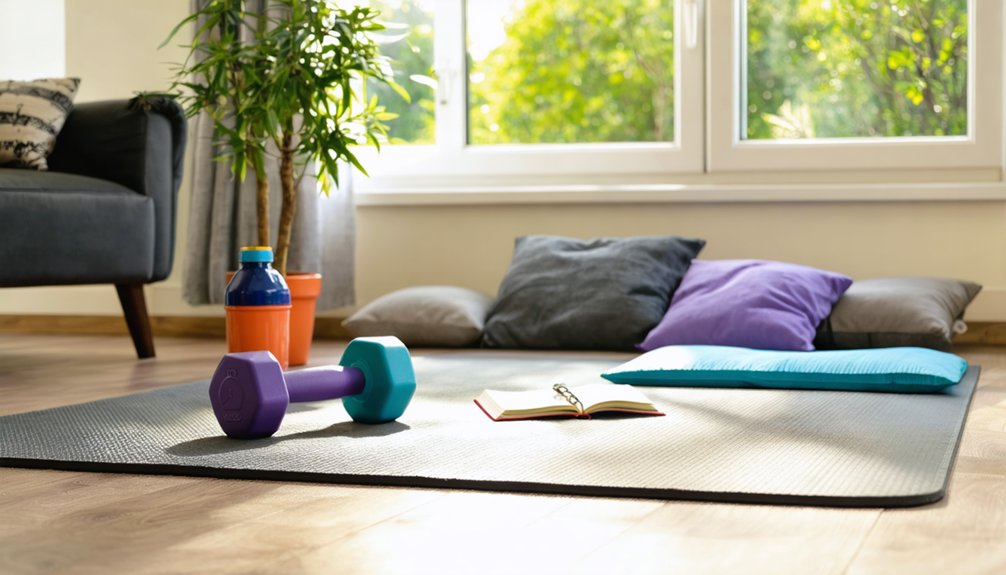

Affordable ways to stay active at home include utilizing cost-effective workout equipment like adjustable dumbbells, resistance bands, and bodyweight exercises. Investing in space-saving solutions, such as foldable machines, caters to limited areas while maintaining workout versatility. Online fitness platforms provide guided workouts, nurturing a supportive community for motivation. Additionally, buying secondhand equipment can maximize savings. Overall, these strategies enable individuals to maintain fitness without breaking the bank, and there are more perspectives available on optimizing home workouts.
Cost-Effective Home Workout Equipment
Cost-effective home workout equipment is increasingly essential for individuals looking to maintain an active lifestyle without breaking the bank. Options like the Rugged All-in-One Multi-Station Gym, priced at $879, provide full-body workout capabilities in a single unit, making it a smart addition to home gyms. For those seeking budget-friendly essentials, wooden gymnastic rings or adjustable dumbbells from marketplace platforms can enhance training versatility. Additionally, investing in home gym machines can offer diverse workout solutions without high costs. Mid-range equipment like the Titan Fitness Olympic Hex Weight Bar offers quality without steep costs, as it is built to withstand intense training. Space-efficient solutions, such as the Speediance Gym Monster, enable users to enjoy commercial-grade workouts at home, proving that investing in workout machines doesn’t have to mean sacrificing financial wellness. These selections cater to a community that values both fitness and affordability, especially since home gyms can provide long-term cost savings compared to gym memberships.
Comparing Home Fitness Costs to Gym Memberships
Evaluating the financial implications of home fitness versus gym memberships reveals significant differences in initial and recurring expenses. Setting up a home gym typically requires an initial investment ranging from $1,000 to $10,000, potentially reaching over $3,000 for thorough setups. In contrast, average gym memberships cost around $65 monthly, accumulating to approximately $780 annually. While home workouts eliminate ongoing dues and travel costs, the break-even point for substantial home gym investments may extend over four years. Additionally, commercial gyms offer social engagement, structured environments, and extensive resources that some may miss in home settings. Regular exercise is linked to lower risk of chronic diseases and better mental health, which can be a major motivator for some individuals. Expert guidance from personal trainers is another key benefit that gym memberships provide, helping individuals achieve their fitness goals more effectively. Ultimately, individuals must weigh the financial aspects alongside personal preferences to determine the most suitable approach to staying active and nurturing belonging within their fitness path. Home gyms provide a more sustainable long-term option, making them an increasingly appealing choice for those committed to fitness.
Exploring Market Trends in Affordable Fitness Gear
As individuals increasingly consider home fitness solutions, the demand for affordable fitness gear has surged, reflecting shifting consumer preferences and changing lifestyle needs. The home gym equipment market is projected to grow substantially, with the medium price range segment capturing 46% of total revenue by 2025. Affordable innovations, such as resistance bands and jump ropes, are redefining accessibility, while smart equipment and wearable technology are also making a mark, leading to a more connected fitness experience. This trend is driven by space constraints, health awareness, and the desire for cost-effective solutions. Notably, home workout equipment is seeing a peak in popularity during summer months, further emphasizing the importance of affordable fitness gear. Smart equipment provides instant guidance without hiring personal trainers, enabling users to maximize their workouts at home. As consumers prioritize quality over expense, eco-friendly materials and inclusive designs increasingly inform their choices, ensuring budget-friendly options harmonize within the growing fitness community. The increase in digital fitness options is making it easier for consumers to access tailored workouts that fit their lifestyles.
The Benefits of Bodyweight Exercises
Bodyweight exercises have emerged as a versatile and efficient fitness solution, appealing to individuals across various demographics. These exercises provide numerous body benefits, enhancing cardiovascular fitness and promoting muscle development without the need for specialized equipment. Research shows that a simple 11-minute routine can substantially enhance endurance and strength, making fitness fundamentals accessible to all. For older adults, bodyweight exercises improve mobility and reduce fall risks while supporting bone health. Additionally, this activity promotes mental well-being and better sleep quality. Importantly, individuals can perform these workouts anywhere, making them an inclusive option for those on a budget or with limited space. Ultimately, bodyweight exercises encourage a supportive community focused on achieving health and wellness goals collectively. Furthermore, low-load resistance training with bodyweight exercises can lead to similar muscle hypertrophy outcomes as traditional weightlifting methods.
Space-Saving Equipment for Small Living Areas
In modern times, where living spaces are often limited, space-saving equipment has become an essential consideration for fitness enthusiasts seeking to stay active at home.
Compact home gyms can now incorporate foldable cardio equipment such as the NordicTrack T Series 10 treadmill or the Max Trainer M6 elliptical, optimizing floor space without sacrificing workouts.
Adjustable strength equipment, including adjustable dumbbells and foldable benches, caters to fitness basics while minimizing clutter.
Portable resistance systems like TRX kits and resistance bands require virtually no storage, making them ideal for small areas.
Utilizing multi-functional solutions, such as plyo boxes and wall storage, allows individuals to create versatile workout environments, proving that an effective home gym is achievable even in tight living spaces.
Finding Secondhand and Budget-Friendly Options
While finding affordable fitness equipment can be intimidating, exploring secondhand and budget-friendly options opens a wealth of possibilities for individuals looking to enhance their home workout experience.
A rising trend shows that 43% of US consumers are open to purchasing pre-owned fitness gear, contributing to sustainable fitness practices.
This shift not only supports eco-friendly workouts but also helps rejuvenate the market, which is projected to grow substantially over the next decade.
Individuals can find high-quality, refurbished equipment at reduced prices, tapping into a vast pool of unused items valued at billions.
Utilizing Online Resources for Guided Workouts
As individuals seek ways to stay active at home, the wealth of online resources for guided workouts offers an accessible solution for various fitness levels.
Numerous platforms, such as FitOn and Nike Training Club, provide free workouts with thorough content, catering to diverse needs from yoga to strength training.
Couch to Fitness and DAREBEE are excellent options for beginners, featuring structured programs and a supportive community.
Users can also find specialized platforms like Peloton Digital, which offers daily live classes, or Jefit, focusing on strength training with detailed tracking.
Engaging with these online fitness resources not only enhances physical activity but also promotes connections and accountability within virtual communities, making fitness an inclusive and rewarding experience, with these platforms providing an exhaustive array of workouts and encouraging users to take the plunge into new exercise routines.
Motivational Tips for Staying Active at Home
Staying active at home can be a challenge, yet employing effective motivational strategies substantially enhances adherence to exercise routines. One effective approach is setting SMART goals, which provide clarity and enable progress tracking through fitness journals or apps. This structured method reinforces fitness motivation by marking achievements.
Home exercisers can enhance their likelihood of success by establishing habit loops—small cues leading to consistent routines, such as post-coffee stretching. Intrinsic motivation, driven by personal enjoyment and stress management, also plays a crucial role in shaping persistent exercise behavior. Engaging in social accountability through online communities can further intensify commitment.
References
- https://www.garagegymreviews.com/home-gym-equipment-pricing-trends
- https://runrepeat.com/fitness-equipment-statistics
- https://www.fortunebusinessinsights.com/home-fitness-equipment-market-105118
- https://www.coherentmi.com/industry-reports/at-home-fitness-equipment-market
- https://www.alliedmarketresearch.com/at-home-fitness-equipment-market-A11430
- https://www.precedenceresearch.com/at-home-fitness-equipment-market
- https://www.futuremarketinsights.com/reports/home-gym-equipment-market
- https://www.bls.gov/opub/ted/2023/consumer-expenditures-for-athletic-gear-game-tables-and-exercise-equipment-doubled-in-2021.htm
- https://www.garagegymreviews.com/best-home-gyms
- https://www.youtube.com/watch?v=HG6hQOyXIMc