

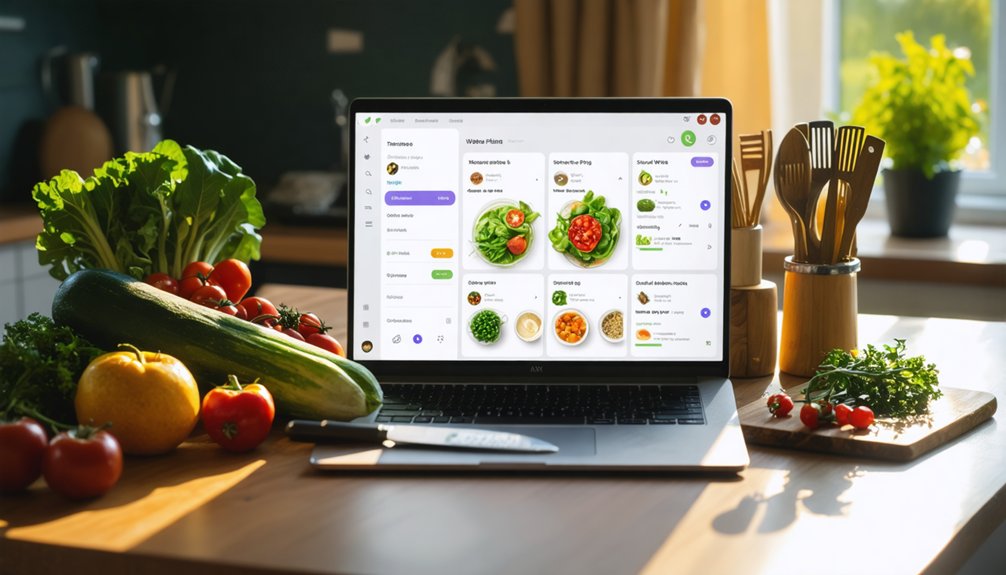

Building a meal plan with AI in 2025 involves creating a user profile with demographic data, eating habits, and nutritional goals. The AI system then analyzes this information to generate personalized meal plans, taking into account dietary restrictions and preferences. This approach enables individuals to achieve a balanced nutrient intake and support overall well-being.
A well-structured meal plan can help individuals manage health conditions, such as diabetes, and improve their overall quality of life. To create an effective meal plan, it’s essential to provide the AI system with accurate and detailed information about your dietary needs and preferences.
In 2025, AI-powered meal planning is becoming increasingly sophisticated, allowing for more precise and tailored recommendations. By utilizing machine learning algorithms and natural language processing, these systems can analyze vast amounts of data and identify patterns that inform personalized nutrition plans.
Key Benefits of AI-Powered Meal Planning:
- Personalization: AI-powered meal planning provides tailored recommendations based on individual nutritional needs and preferences.
- Efficiency: AI systems can analyze vast amounts of data quickly, saving time and effort in meal planning.
- Accuracy: AI-powered meal planning reduces the risk of human error, ensuring that nutritional recommendations are accurate and reliable.
To integrate AI-powered meal planning into your lifestyle, consider the following steps:
- Research and select a reputable AI-powered meal planning platform.
- Create a user profile with detailed information about your dietary needs and preferences.
- Follow the recommended meal plan and track your progress.
- Adjust the meal plan as needed to ensure optimal results.
By embracing AI-powered meal planning, individuals can take control of their nutrition and make informed decisions about their health. As the technology continues to evolve, we can expect to see even more innovative solutions for personalized nutrition and meal planning.
Highlights
Creating a Personalized Meal Plan with AI in 2025
To get started with AI-powered meal planning, you’ll need to set up your profile with demographic data, eating habits, and nutritional goals. This information helps the system provide personalized suggestions tailored to your needs.
Choosing the Right Meal Planning Tool
Select a tool that takes into account your nutritional requirements, dietary restrictions, and food preferences. Some tools can accommodate special diets and allergies, using algorithms to detect allergens and create safe meal plans. Examples of such tools include Yummly and Mealime.
Refining Your Meal Plan
Once you’ve generated your meal plan, you can modify it based on your feedback. This allows the system to learn and refine plans over time, ensuring you get the best possible results. Integration with wearable devices and health apps can also help you track progress, identify patterns, and make informed decisions about your diet and lifestyle.
Key Features to Look for in an AI-Powered Meal Planning Tool
- Accommodation of special diets and allergies
- Algorithm-driven allergen detection
- Integration with wearable devices and health apps
- Personalized suggestions based on user data
- Ability to modify meal plans based on user feedback
Using an AI-powered meal planning tool can help you make informed decisions about your diet and lifestyle, ensuring you achieve your nutritional goals and maintain a healthy relationship with food.
Understanding AI-Powered Meal Planning Tools
AI-powered meal planning tools use advanced algorithms to analyze user input and create personalized meal plans. These algorithms consider nutritional requirements, dietary restrictions, and food preferences to generate tailored recommendations. The process involves extensive data analysis, ensuring accurate and relevant meal planning suggestions.
A core component of these tools is nutritional analysis, which enables users to optimize their diet for specific health goals or requirements. By utilizing AI’s analytical capabilities, these tools streamline the meal planning process, making it more efficient and effective. This results in a customized meal plan that caters to individual needs and promotes healthier eating habits.
The use of AI in meal planning has transformed the way people approach nutrition. “A well-planned meal is the foundation of a healthy lifestyle,” says a leading nutrition expert. With AI-powered meal planning tools, users can make informed decisions about their diet, taking into account their unique nutritional needs and health goals.
These tools have become increasingly popular, and for good reason. They offer a convenient and personalized approach to meal planning, making it easier for individuals to maintain a healthy diet. By harnessing the power of AI, meal planning tools can help users achieve their health goals and develop sustainable eating habits.
In addition to providing personalized meal plans, AI-powered meal planning tools also offer a range of features, including recipe suggestions, grocery lists, and nutritional tracking. These features enable users to plan and manage their meals with ease, making healthy eating a more achievable goal.
Setting Up Your Meal Planning Profile
A well-structured meal planning profile is the foundation of a successful meal planning experience. It provides essential information about an individual’s food preferences, lifestyle, and nutritional goals, allowing for tailored meal suggestions. A comprehensive profile includes demographic data such as age, sex, and body type, as well as details about eating habits, food allergies, and dislikes.
Why a Detailed Profile Matters
A thorough profile is crucial for achieving specific nutritional objectives, such as weight management, muscle gain, or managing a health condition. By providing accurate and detailed information, users can expect customized meal plans that cater to their unique needs and preferences. This, in turn, leads to a more effective and enjoyable meal planning experience.
What to Include in Your Profile
When setting up your meal planning profile, be sure to include the following information:
- Demographic data: age, sex, and body type
- Eating habits: food preferences, allergies, and dislikes
- Nutritional goals: weight management, muscle gain, or managing a health condition
- Lifestyle information: activity level, work schedule, and meal frequency
The Benefits of a Well-Crafted Profile
A well-crafted meal planning profile offers numerous benefits, including:
- Personalized meal suggestions tailored to your unique needs and preferences
- Improved nutritional outcomes, such as weight management or muscle gain
- Increased satisfaction with meal planning and reduced frustration
- Better overall health and well-being
Choosing Your Dietary Preferences and Goals
When starting a meal planning journey, selecting suitable dietary preferences and goals is crucial for creating a personalized plan that meets individual needs. Dietary restrictions, such as vegetarian, vegan, gluten-free, or low-carb options, must be considered to ensure the meal plan aligns with specific requirements.
Setting specific goals, like weight loss, muscle gain, or maintaining overall health, also provides essential context. A well-designed meal planning system uses this information to create a tailored plan that balances nutrient intake and flavor preferences.
Achieving optimal nutrient balance is a key objective. The system considers this when suggesting meals and snacks.
By carefully selecting dietary preferences and goals, individuals can expect a customized meal plan that supports their well-being and meets their needs.
Nutrition is not just about eating, it’s about nourishing your body and soul.
Customizing Your Meal Plan for Special Diets and Allergies
A well-designed meal planning system can accommodate various dietary preferences and goals, but it’s crucial to address special diets and allergies that require unique consideration. For individuals with specific dietary needs, such as gluten-free, vegan, or nut-free, careful attention is necessary to ensure their meal plans are both effective and safe.
Advanced meal planning systems use sophisticated algorithms to detect potential allergens and generate customized meal plans tailored to an individual’s specific requirements. Diet customization is a vital feature of these systems, allowing users to input their dietary restrictions and preferences to create a personalized meal plan that meets their unique needs.
By incorporating allergen detection and diet customization, meal planning systems can provide users with a safe and effective way to manage their dietary needs. For instance, a user with a gluten intolerance can input their dietary restriction and receive a customized meal plan that excludes gluten-containing ingredients. This level of customization guarantees users can adhere to their meal plans without compromising their health or wellbeing.
As the prevalence of food allergies and special diets continues to rise, the importance of diet customization in meal planning systems cannot be overstated. By prioritizing user safety and dietary needs, these systems can provide a valuable resource for individuals seeking to manage their health through personalized nutrition.
A personalized meal plan is not just about achieving a specific health goal; it’s about creating a sustainable and safe relationship with food that nourishes both body and mind.
Generating and Modifying Your Meal Plan
Personalized Meal Planning Made Easy
Creating a customized meal plan is a crucial step in achieving a balanced and healthy diet. After inputting dietary needs and preferences into the meal planning system, the next step is to generate a tailored plan that meets individual requirements. The system analyzes user data, considering meal plan optimization techniques to ensure the plan is well-rounded, varied, and nutritious.
Users receive recipe suggestions based on their preferences, cooking skills, and ingredient availability. They can review and modify their meal plan as needed, making adjustments to suit their tastes and schedule. The system’s algorithm learns from user feedback, allowing it to refine and adapt the meal plan over time. This ensures a seamless and enjoyable meal planning experience.
Refining Your Meal Plan
The system’s ability to learn from user feedback is essential in creating a meal plan that truly meets individual needs. By analyzing user preferences and making adjustments accordingly, the system provides a personalized approach to meal planning.
Users can make changes to their plan at any time, ensuring they stay on track with their dietary goals.
A Customized Approach to Meal Planning
The meal planning system’s primary goal is to provide users with a tailored plan that aligns with their unique needs and preferences. By considering factors such as cooking skills and ingredient availability, the system creates a realistic and achievable plan.
Users can rely on the system to provide them with healthy and balanced meal options, taking the guesswork out of meal planning.
Meal planning should be a personal and enjoyable experience, not a chore. Our system is designed to provide users with a tailored approach to meal planning, ensuring they achieve their dietary goals with ease.
Creating Shopping Lists and Cooking Instructions
Streamlining Meal Planning with AI-Driven Shopping Lists and Cooking Instructions
Many meal planning systems fall short by only providing a meal plan, leaving users to fend for themselves when it comes to grocery shopping and cooking. A comprehensive meal planning system should include features like generating shopping lists and cooking instructions.
AI-powered shopping optimization can create lists that balance nutritional value, cost, and ingredient availability. This technology can also suggest substitutes for hard-to-find or out-of-stock ingredients.
Users receive recipe suggestions with step-by-step cooking instructions, making meal preparation a breeze. Cooking instructions can be tailored to individual skill levels and preferences, ensuring that meals turn out perfectly. This thorough approach simplifies the meal planning process, providing a seamless experience for users.
By incorporating AI-driven shopping lists and cooking instructions, meal planning systems can significantly enhance user satisfaction.
Personalized cooking instructions allow users to cook with confidence, regardless of their skill level. With AI-optimized shopping lists, users can easily find the ingredients they need, eliminating the frustration of searching for out-of-stock items.
Meal planning should be a streamlined process that combines healthy eating with convenience. By leveraging AI-driven shopping lists and cooking instructions, users can enjoy a seamless cooking experience that meets their dietary needs and preferences.
Integrating Your Meal Plan With Wearable Devices and Health Apps
Integrating meal plans with wearable devices and health apps is becoming increasingly important for achieving overall wellness. By combining data from daily food intake and physical activity, individuals can gain a more comprehensive understanding of their health. Wearable technology, such as smartwatches and fitness trackers, monitors vital signs, sleep patterns, and exercise routines, providing valuable insights into one’s well-being. Syncing this data with a meal plan enables informed decisions about diet and adjustments to eating habits.
This holistic approach to health tracking facilitates a balanced lifestyle, empowering individuals to reach their wellness goals and connect with like-minded individuals who share similar objectives.
A Comprehensive Approach to Wellness
Wearable devices and health apps provide a wealth of data that can be leveraged to optimize meal plans. By analyzing this data, individuals can identify patterns and trends in their eating habits and physical activity, making it easier to set realistic goals and track progress.
For example, if a person’s wearable device reveals a tendency to overeat on certain days of the week, they can adjust their meal plan accordingly, incorporating healthier options and portion control strategies.
The Benefits of Integration
Integrating meal plans with wearable devices and health apps offers numerous benefits. For one, it encourages a more mindful approach to eating, helping individuals develop healthier relationships with food.
Additionally, this integration provides a more accurate picture of overall health, enabling individuals to make informed decisions about their lifestyle and habits. By combining data from multiple sources, individuals can gain a deeper understanding of their physical and nutritional needs, setting themselves up for long-term success.
Making Informed Decisions
By integrating meal plans with wearable devices and health apps, individuals can make informed decisions about their diet and lifestyle. This approach empowers individuals to take control of their health, making adjustments as needed to achieve their wellness goals.
As Dr. David Katz, a renowned expert in preventive medicine, notes, “The power of integrating health data lies in its ability to inform and inspire meaningful change.” By harnessing the power of wearable devices and health apps, individuals can unlock a more balanced, sustainable approach to wellness.
Conclusion
Streamlining Nutrition with AI-Powered Meal Planning
AI-driven meal planning simplifies the cooking process and ensures users receive the nutrients they need. By creating personalized meal plans, individuals can cater to specific dietary requirements, health objectives, and lifestyle preferences. Real-time tracking and adjustments are made possible through integration with wearable devices and health apps. This approach enables informed food choices, maintains a healthy weight, and reduces the risk of chronic diseases, ultimately promoting overall well-being. With AI-powered meal planning, accurate and consistent nutrition is now easily accessible.
Alternatively, this is a version with more conversational tone and more details:
How AI Can Help You Eat Healthier
Creating a meal plan can be a daunting task, especially when trying to cater to specific dietary needs or health goals. However, with the help of AI, meal planning has become significantly easier. By using AI-powered meal planning tools, users can generate personalized plans that take into account their lifestyle preferences, health objectives, and dietary requirements.
One of the key benefits of AI-powered meal planning is its ability to integrate with wearable devices and health apps. This allows for real-time tracking and adjustments, ensuring that users stay on track with their health goals. By making informed food choices, individuals can maintain a healthy weight, reduce the risk of chronic diseases, and promote overall well-being.
The accuracy and consistency provided by AI-powered meal planning are unparalleled. Users can rely on these tools to provide them with healthy and balanced meal options, taking the guesswork out of nutrition. By leveraging AI in meal planning, individuals can take control of their health and make positive changes to their lifestyle.